

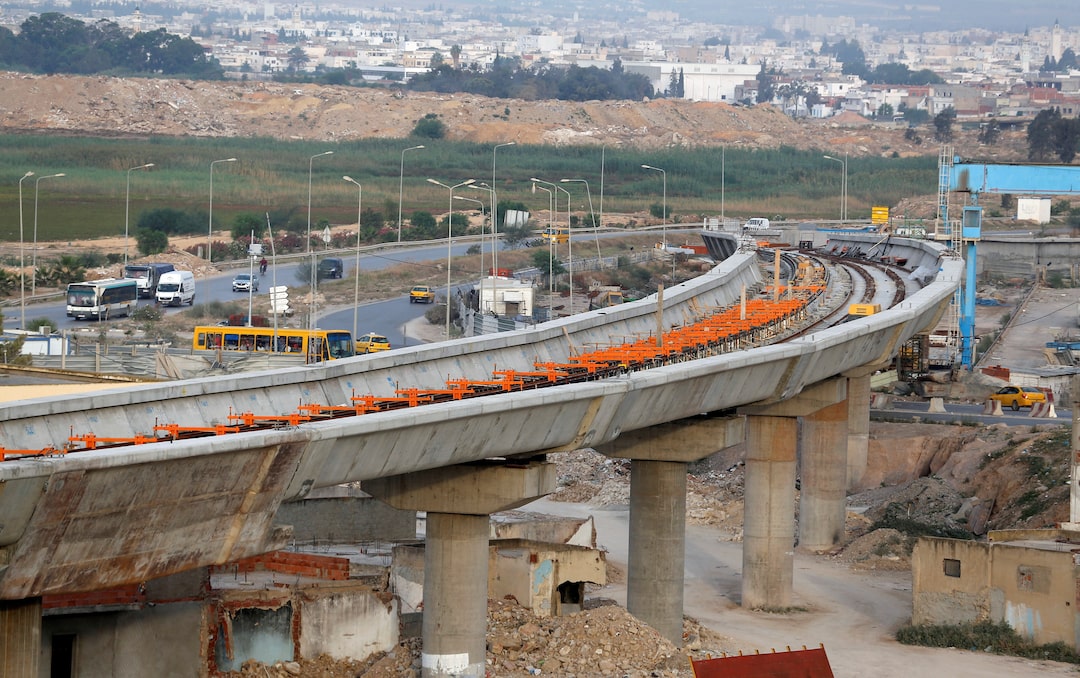
Africa holds an estimated $4 trillion in domestic savings, yet much of this capital remains locked away from the continent’s most pressing investment need: infrastructure. As external aid shrinks and development finance tightens, the push to channel these funds into roads, ports, power grids and digital networks has become more urgent than ever.
According to the Africa Finance Corporation (AFC), Africa’s domestic capital base has risen to around $4.4 trillion, made up of banking assets, pension and insurance funds, sovereign wealth resources and foreign reserves. The AFC’s State of Africa Infrastructure Report argues that this capital pool is more than sufficient to finance high-impact infrastructure projects, provided it can be effectively mobilised and deployed.
Non-bank domestic capital alone (including insurance and pension assets)now exceeds $2 trillion across the continent, placing Africa in a strong position to invest in modern infrastructure, industrialisation, and the green and digital transition. NFC president and CEO Samaila Zubairu says the core challenge is no longer a lack of capital, but how to deploy it into productive sectors that can catalyse transformation on the continent.
Yet mobilising these savings is not straightforward. Much of Africa’s institutional capital is concentrated in short-term government securities and low-risk instruments, rather than long-term infrastructure assets such as transport, energy and digital connectivity. South Africa alone accounts for about 70% of the continent’s pension assets, while resources in other countries remain heavily underutilised.
The result is a paradox: Africa has abundant domestic savings, but an estimated annual infrastructure funding gap of around $100 billion. Development aid from Western nations is declining, and development finance institutions are under increasing pressure, making it harder to rely on external sources to bridge the gap.
To address this, African governments and development banks are increasingly turning to debt guarantees and other de-risking tools to make infrastructure projects more attractive to domestic investors. The African Development Bank, under new president Sidi Ould Tah, has launched the New African Financial Architecture for Development, with guarantees playing a central role in efforts to unlock domestic capital.
The logic is that by using guarantees to raise project credit ratings to investment grade, African pension funds, insurance companies and other institutional investors can more confidently participate in large infrastructure deals. Fehintola, a senior AfDB official, says de-risking opportunities with guarantees “unlocks domestic capital, and domestic capital leads the way for global capital to come in”.
The AFC and other institutions are also calling for deeper financial markets, stronger development finance institutions and a broader mix of investment vehicles that can mobilise long-term savings into infrastructure, industry and innovation. Reforms to pension regulations, including the expansion of eligible asset classes and the revision of investment limits, are seen as critical to enabling institutional investors to allocate more capital to infrastructure.
The urgency is underscored by the scale of Africa’s infrastructure deficit. The continent needs sustained investment in transport corridors, agro-processing zones, data centres, logistics hubs and energy systems to boost export competitiveness and create jobs. Without a concerted effort to redirect domestic savings into these sectors, Africa risks missing a historic opportunity to finance its own transformation.
Africa Presents is a Pan-African digital magazine and monthly publication covering politics, business, economy, culture, tech, and the stories shaping Africa and its diaspora. Visit africapresents.com and follow @AfricaPresents for daily coverage and monthly themed magazine editions.






Leave a comment