

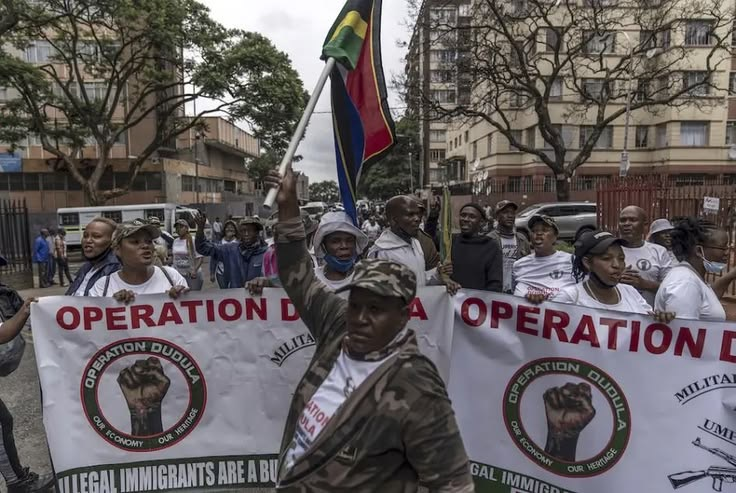
The Economic Community of West African States (ECOWAS) has condemned xenophobic attacks in South Africa, with Nigeria spearheading calls for decisive action at both the regional and continental levels. At the 69th ECOWAS Authority of Heads of State and Government summit in Lungi, Sierra Leone, Nigerian President Bola Tinubu demanded that the bloc escalate the matter to the African Union (AU) to send an unambiguous message that such violence is unacceptable.
ECOWAS Summit: A Unified Regional Response
At the ECOWAS summit, President Tinubu delivered a strongly worded address, read on his behalf by Vice President Kashim Shettima, condemning the attacks in unequivocal terms. Key points from Nigeria’s position include:
• Condemnation of Afrophobic attacks: Nigeria strongly condemned the recent attacks on its citizens and other African nationals in South Africa.
• Call for AU action: ECOWAS was urged to present the matter before the African Union to send a clear signal that such behaviour is unacceptable.
• Historical reminder: Tinubu reminded South Africa that its freedom was achieved through the sacrifices and liberation efforts of African countries, including Nigeria.
• Readiness for engagement: The Nigerian government affirmed its preparedness to engage diplomatically on the matter while continuing evacuation efforts.
Ghana’s President John Dramani Mahama also condemned the attacks, aligning with Nigeria’s call for collective ECOWAS action. This unified stance from two of West Africa’s leading democracies signals growing regional frustration with the recurring violence.

Nigeria’s Push for Retaliatory Measures
Beyond diplomatic condemnation, Nigeria has signaled its willingness to pursue stronger measures. Foreign Minister Bianca Odumegwu-Ojukwu hinted that Nigeria would take retaliatory action against South Africa, with recommendations to be made by the National Assembly. Senior lawyer Femi Falana (SAN) has advised the Federal Government to consider suing South Africa before the African Court on Human and Peoples’ Rights.
The National Assembly has already condemned the attacks and is reviewing the situation to formulate an official position, potentially including sanctions or other punitive measures. These developments mark an escalation from previous diplomatic protests, reflecting Nigeria’s determination to protect its citizens and uphold the dignity of African migrants across the continent.
Broader Implications for African Unity and Integration
The xenophobic attacks have struck at the heart of Pan-African ideals and the vision of free movement and integration championed by ECOWAS and the AU. President Tinubu reaffirmed Nigeria’s commitment to the ECOWAS Compact for the Future of Regional Integration, describing it as a landmark roadmap for strengthening regional solidarity, economic integration, and democratic governance.
Key elements of Nigeria’s position on regional integration include:
• Free movement: Commitment to removing trade barriers and facilitating the free movement of persons, goods and services across West Africa.
• Economic interdependence: Support for infrastructure projects like the African Atlantic Gas Pipeline and the Abidjan-Lagos Corridor Highway to enhance economic integration.
• Democratic governance: Reaffirmation of zero tolerance for unconstitutional changes of government and commitment to constitutional term limits.
• Youth and gender inclusion: Investment in education, youth entrepreneurship and women’s participation in leadership.
The irony of calling for greater regional integration while grappling with xenophobic violence has not gone unnoticed. Analysts warn that such attacks undermine the very foundations of African unity and could jeopardize ongoing integration efforts.
The Escalation to the African Union
Nigeria’s demand that ECOWAS bring the matter before the African Union sets the stage for a continental debate on xenophobia and the protection of migrants’ rights. Key questions remain:
• What measures will the AU take? The continental body may issue a formal condemnation, deploy fact-finding missions, or consider sanctions against South Africa.
• Will South Africa respond? The Ramaphosa government has yet to issue a comprehensive response to the calls for accountability, though it has previously acknowledged the need to address xenophobic violence.
• How will other African states react? Countries like Zimbabwe, Malawi, and Botswana, whose citizens have also been attacked, may join the push for stronger action.
The outcome of this diplomatic push could set a precedent for how the continent addresses xenophobia and protects the rights of African migrants in the future.






Leave a comment