

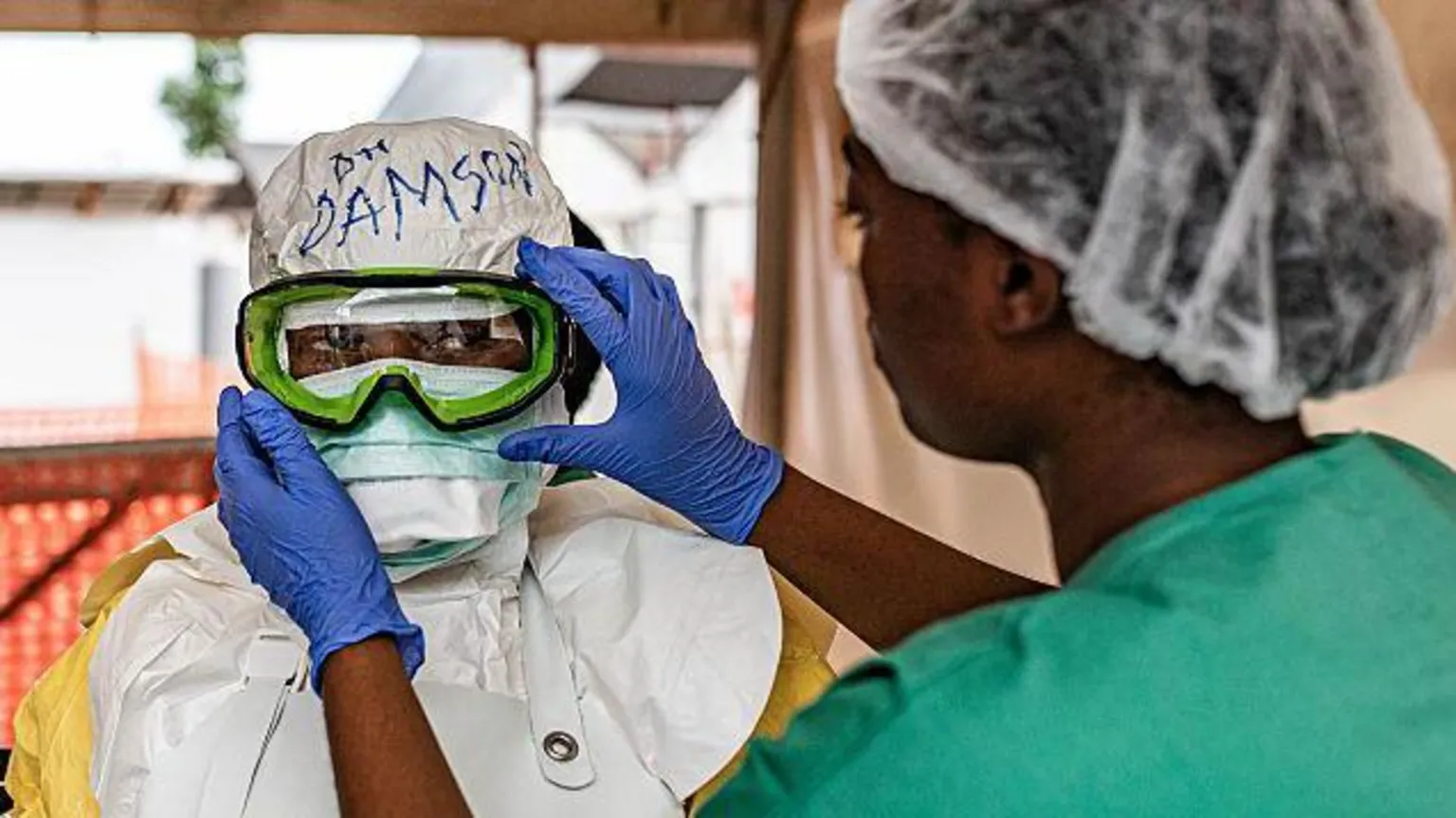
Uganda is set to discharge its last remaining Ebola patient today, triggering a 42-day countdown under World Health Organization guidelines that could see the country declared free of the Bundibugyo strain of the virus. The discharge will take place at the Mulago National Referral Hospital isolation unit in Kampala, according to government spokesperson Alan Kasujja.
Uganda’s health ministry portal confirmed that 17 patients have now recovered, with one remaining in isolation and two deaths recorded. Of the 20 cases reported in Uganda, five were locally acquired and 15 were imported, all linked to the Bundibugyo strain, the rare variant of the Ebola virus for which there is currently no licensed vaccine or approved therapeutic.
Uganda’s Containment Response
Uganda’s ability to contain the outbreak to 20 cases is a significant public health achievement given the scale of the wider outbreak in the DRC. The country moved quickly to establish isolation facilities, trace contacts, and implement border surveillance following the detection of the first imported case in May.
The WHO deployed emergency support including expert personnel and medical supplies, while Uganda’s own health authorities conducted intensive contact tracing, placing more than 100 contacts under quarantine monitoring at the height of the outbreak. Director General of Health Services Charles Olaro was candid about the treatment limitations: “Particularly for this Bundibugyo Ebola virus, it does not have vaccines and also does not have any therapeutics. Most of the treatment is supportive. If the patients are identified early and we start the supportive systems, the chances of surviving are much higher.”
The Wider Outbreak Remains At Large
Uganda’s progress stands in stark contrast to the situation across the border in the DRC, where the outbreak shows no sign of slowing. As of 13 July 2026, the DRC had recorded 1,963 confirmed cases and 719 deaths, with 736 patients currently hospitalised in isolation. Ituri province remains the epicentre, accounting for 1,772 of the confirmed cases. Thirty-one new confirmed cases and 10 deaths were reported between the 11th-12th of July alone.
The outbreak, which the WHO declared a public health emergency in May, has also registered imported cases in a US citizen evacuated to Germany, and a separate case reported in France on 24 June, reflecting the risk of international spread from a high-transmission active outbreak zone. The US CDC reported a further case on 10 July involving an American humanitarian worker in the DRC, who was medically evacuated to Germany on the 13th of July.
The WHO describes the current outbreak as the third-worst Bundibugyo virus outbreak on record. With a case fatality rate ranging from 30 to 50 percent in previous Bundibugyo outbreaks, and no vaccine or therapeutic available, the response in the DRC remains entirely dependent on isolation, contact tracing, and supportive care.
Uganda’s 42-day countdown, if successfully completed, will be a moment worth marking. But it will not mark the end of the crisis. That end is still a long way from sight in eastern DRC.
Africa Presents is a Pan-African digital magazine and monthly publication covering politics, business, economy, culture, tech, and the stories shaping Africa and its diaspora. Visit africapresents.com and follow @AfricaPresents for daily coverage and monthly themed magazine editions.





Leave a comment