

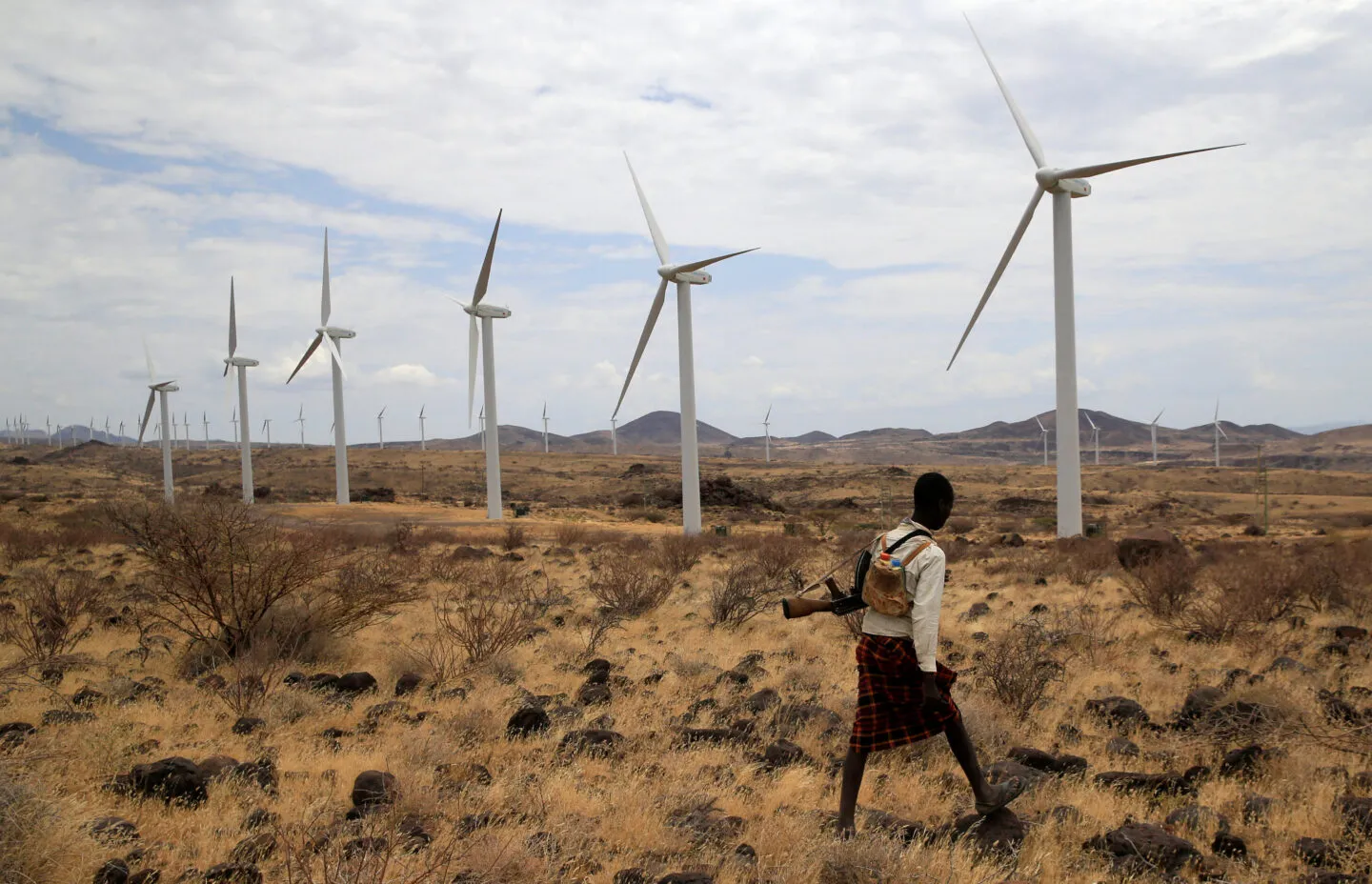
As the world races toward a low-carbon future, Africa is being left behind in the renewable energy boom. While countries across Europe, Asia, and North America are investing heavily in solar, wind, and other clean technologies, the continent with the youngest, fastest-growing population and some of the world’s most abundant renewable resources is struggling to attract investment at scale.
Despite possessing immense potential for solar, wind, geothermal, and hydropower, Africa receives only a fraction of global renewable energy spending. The continent accounts for less than 3% of worldwide clean energy investment, even though it is home to about 17% of the global population.
One of the biggest obstacles facing Africa’s renewable energy sector is access to affordable financing. International investors often view African energy projects as high-risk, leading to higher borrowing costs and more stringent lending conditions. This “risk premium” makes many otherwise viable projects economically unfeasible.
Beyond financing, Africa faces significant infrastructure challenges. Many countries lack the transmission networks needed to connect new renewable energy projects to the grid, and existing infrastructure is often aging or fragmented. This makes it harder to integrate large amounts of renewable energy, which can be intermittent and require flexible grid management.
While many African countries have made progress in developing renewable energy policies, implementation remains a challenge. Unclear regulatory frameworks, bureaucratic delays, and inconsistent policy enforcement can deter investors and slow project development. Nations like Morocco, Egypt, and South Africa have emerged as leaders, but progress has been uneven across the continent.
The urgency of Africa’s energy transition is underscored by the climate crisis. While the continent contributes minimally to global greenhouse gas emissions, it is among the most vulnerable to climate change impacts. Transitioning to renewable energy is not just about economic opportunity, it’s about building resilience and ensuring sustainable development.
Despite these challenges, there are reasons for optimism. Africa’s renewable energy potential is enormous, with the continent boasting some of the world’s best solar resources, significant wind potential, and substantial geothermal resources. Global initiatives and climate finance mechanisms are beginning to channel more resources to Africa.
However, realizing this potential will require coordinated action from African governments, international partners, and the private sector. The window for Africa to benefit from the global renewable energy boom is not infinite. As the world transitions away from fossil fuels, countries that fail to develop their renewable energy sectors risk being left behind in the new energy economy.
Africa Presents is a Pan-African digital magazine and monthly publication covering politics, business, economy, culture, tech, and the stories shaping Africa and its diaspora. Visit africapresents.com and follow @AfricaPresents for daily coverage and monthly themed magazine editions.







Leave a comment