

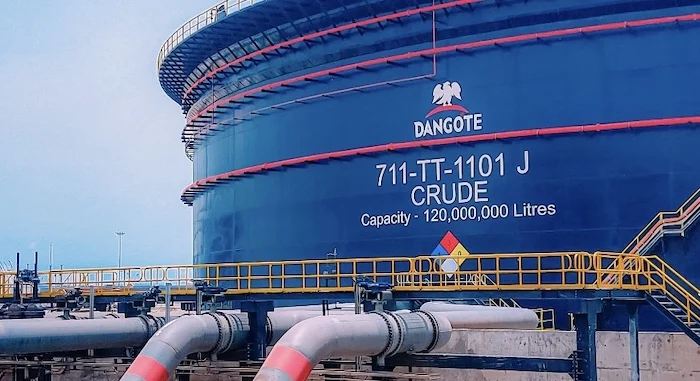
A 700,000-barrel-per-day East African oil refinery proposed by Africa’s richest man, Aliko Dangote, will be built in Kenya, a senior company official has confirmed, putting a lid on months of speculation over the location of the mega-project. The massive refinery, similar to Dangote’s sprawling complex in Nigeria, will be based in Lamu, an island off the coast of Kenya, Edwin Devakumar, vice president for oil and gas at Dangote Industries Limited, confirmed to Agence France-Presse (AFP).
The refinery will cost as much as $17 billion and will take approximately five years to build. Dangote Group plans to finance it through internal cash flow, bonds, and an initial public offering.
Why Kenya Won the Bid
The site has been selected, soil tests are under way, and design and engineering work has commenced. “Kenya was the choice from the beginning,” Devakumar told Reuters. Initially Tanzania was also considered, with Dangote visiting Tanzania to explain “the commercial and technical considerations behind the Group’s decision to locate its planned East African refinery in Lamu.”
The decision reflects Kenya’s infrastructure advantages, logistics networks, and its position as East Africa’s largest economy and primary trade gateway. Kenya’s President William Ruto had framed the wider project in terms of energy sovereignty as far back as April: “We do not want to be held hostage any more by the Strait of Hormuz. We do not want to be held hostage by wars that are started by other people. We have our resources here, and we are saying we are going to use our African resources to industrialise our region.”
The Scale of What Is Being Planned
The proposed Kenya project would complement Dangote’s plan to expand refining capacity in Nigeria to 1.4 million barrels per day, taking total capacity across the two countries to 2.1 million barrels per day if both projects are completed.
The crude feedstock for the refinery would come from multiple regional sources: Kenya’s onshore oil finds, Uganda’s fields in the Albertine Graben, South Sudan’s oilfields, and potentially the DRC. East Africa currently imports virtually every litre of refined petroleum it consumes, leaving the region exposed to supply disruptions and price spikes as seen in the fallout from the Iran conflict.
Africa’s fuel import shortfall is projected to reach 86 million tonnes by 2040, roughly equivalent to three Dangote-sized refineries. The Lamu project addresses that gap directly, and if completed on schedule, would be one of the most consequential pieces of African industrial infrastructure built this decade.
What Still Needs to Happen
Final investment decisions, land arrangements, environmental approvals, crude supply plans, and product distribution agreements will all be needed before development can move into full execution. The project should currently be understood as a major, credible proposal from an industrialist who has already built exactly what he is describing, rather than a fully financed construction programme.
A separate, government-funded refinery project in Uganda’s Hoima region is also in the works, with authorities expecting the project to refine 60,000 barrels per day when it starts operations in 2029. Together, these projects signal that East Africa is moving seriously toward ending its complete dependence on imported refined fuel, driven by a combination of private ambition and the hard lesson the Iran conflict has delivered about the cost of that dependence.
Africa Presents is a Pan-African digital magazine and monthly publication covering politics, business, economy, culture, tech, and the stories shaping Africa and its diaspora. Visit africapresents.com and follow @AfricaPresents for daily coverage and monthly themed magazine editions.






Leave a comment