

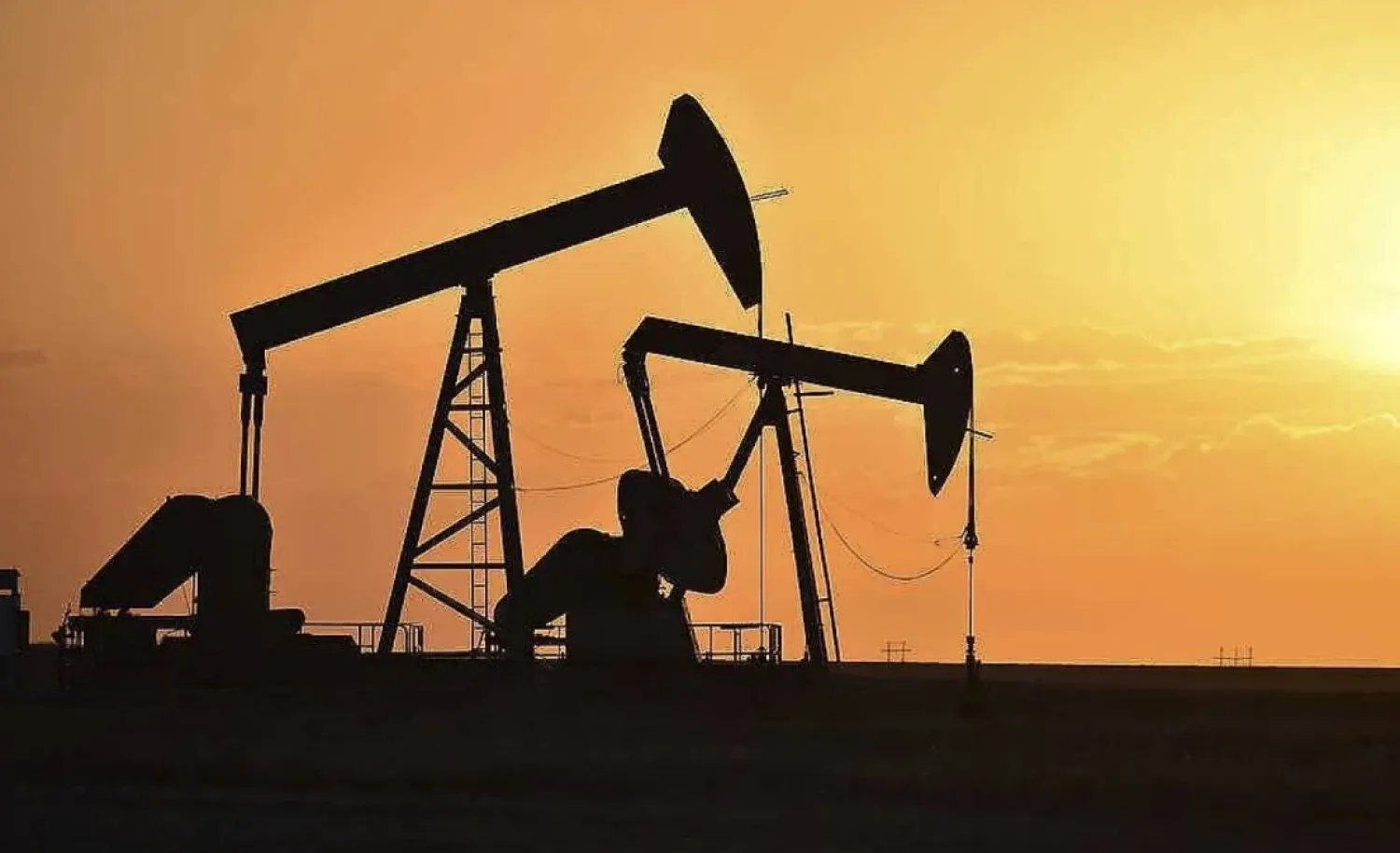
Oil prices are falling, and they could fall further. As the United States and Iran edge closer to a peace deal, markets are bracing for a significant drop in the cost of crude, one that would be felt far beyond the Middle East, including in Africa’s major oil-producing nations.
Oil prices fell more than 4 percent on Sunday after President Donald Trump indicated that talks with Iran to reopen the Strait of Hormuz were advancing, though he cautioned that the US would not rush a deal. West Texas Intermediate futures fell approximately 5 percent to $91.65 per barrel, while the international benchmark Brent futures lost around 5 percent to $98.30 per barrel.
Trump stated that negotiations were “proceeding in an orderly and constructive manner,” and confirmed on Saturday that an agreement to reopen the Strait of Hormuz was largely negotiated and would be announced soon.
The Strait of Hormuz sits at the centre of this crisis. The conflict has effectively shut the critical global chokepoint through which roughly 20 percent of the world’s oil flows, forcing Middle Eastern producers to sharply reduce output and sending prices surging to levels not seen in years. At the height of tensions, dated Brent benchmarks rose to past $140 per barrel, the highest since 2008.
The road to the current diplomatic opening has been volatile. In early April, oil prices plunged after the US and Iran agreed to a two-week conditional ceasefire that included the reopening of the Strait of Hormuz, following a last-minute diplomatic intervention by Pakistan’s Prime Minister Shehbaz Sharif.
Despite the recent declines, analysts caution that a return to pre-war prices is far from imminent. Senior oil market analyst June Goh of Sparta Commodities notes that the war has taken 10 to 11 million barrels of crude oil offline per day, and that inventory drawn down to manage the situation will need to be replenished. High demand caused by restocking will keep prices elevated, she said, projecting that crude oil could hover around $100 a barrel until the end of summer. Uncertainty over whether the Strait of Hormuz will fully reopen has also driven away vessels and complicated trade routes globally
For Africa, the stakes are layered. Nigeria, Angola, Libya, and other continent producers have navigated the revenue windfall from elevated prices, but also the downstream pain of higher fuel import costs, currency pressure, and inflation driven by expensive energy. A sustained fall in crude would compress government revenues in oil-dependent economies even as it offers relief to fuel-importing nations across the continent.
Markets are also contending with other pressures: the US withdrew its biggest oil drawdown on record from its Strategic Petroleum Reserve last week, while Europe’s economy has been hit hard by the energy price shock, with the eurozone shrinking sharply.
The diplomatic picture remains fragile. Talks have stalled and restarted multiple times since the conflict began, and each setback has sent prices spiking. The US administration has been preparing for direct talks with Iran, with the delegation likely to be led by Vice President JD Vance, with the objective of finalising a framework for a long-term agreement. Whether that framework holds (and depending whether the Strait of Hormuz reopens fully) will determine whether the current price decline becomes a trend or another false dawn.
Africa Presents is a Pan-African digital magazine and monthly publication covering politics, business, economy, culture, tech, and the stories shaping Africa and its diaspora. Visit africapresents.com and follow @AfricaPresents for daily coverage and monthly themed magazine editions.






Leave a comment