


Recently, the mood around global venture capital felt cautious. Investors tightened their belts, valuations cooled, and headlines often hinted that the startup boom had run its course. Yet across Africa, something rather interesting is unfolding.
In February 2026, startups across the continent raised $272 million, marking a 56% jump from January’s $174 million. It’s not just a healthy rebound month-on-month; the figure also edges past the continent’s 12-month average of roughly $254 million, suggesting that investor appetite for African innovation is still alive and kicking.
More importantly, the numbers tell a deeper story about where the continent’s tech ecosystem is heading.
A funding surge driven by fewer but larger deals
Around 40 African startups secured funding of at least $100,000 in February. However, the capital wasn’t evenly distributed. A handful of companies dominated the investment landscape, with six startups accounting for roughly 80% of the total capital raised.
Among the biggest deals:
Spiro, an electric mobility company based in Benin, secured $57 million in debt financing to expand its electric motorcycle fleet and battery-swapping infrastructure.
Egyptian grocery delivery platform Breadfast raised $50 million to strengthen its logistics and retail technology network.
Côte d’Ivoire’s ride-hailing platform GoCab secured $45 million, underscoring growing investor interest in mobility solutions tailored for African cities.
Nigeria’s Terra Industries, operating in the defence technology space, raised $22 million, pushing its total funding past $34 million.
South African companies Enko Education and Lula also secured major rounds to expand education infrastructure and SME lending services.
The takeaway? African venture capital is becoming more focused. Instead of spreading funds thinly across dozens of startups, investors are doubling down on companies tackling large, structural problems.
A shifting geographic map of innovation
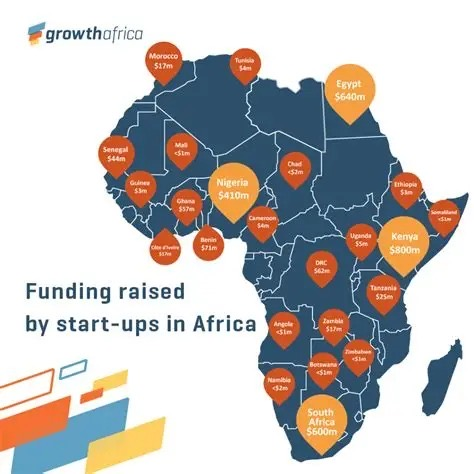
Another striking feature of February’s funding activity is the changing regional balance.
Leading the pack were:
• Egypt — $64 million
• Benin — $57 million
• Côte d’Ivoire — $45 million
• South Africa — $44 million
From a regional perspective:
• West Africa captured about 53% of the funding
• North Africa accounted for roughly 24%
• Southern Africa followed with about 21%
• East Africa trailed with just 3%
That last figure is particularly noteworthy. East Africa has long been one of the continent’s strongest startup ecosystems, thanks largely to fintech and mobile money innovation. Yet February’s numbers suggest that momentum is shifting, with West and North Africa increasingly commanding investor attention.
Debt financing enters the spotlight
Another quiet shift is happening beneath the surface of the funding landscape.
Historically, African startup financing has been dominated by venture equity. But February’s numbers tell a slightly different story:
• 54% of the funding came through equity
• 45% through debt financing
• 1% through grants
This growing reliance on debt suggests that many African startups are entering a more mature phase. Lenders are becoming comfortable financing companies with proven business models and predictable revenue streams.
In other words, the ecosystem is evolving beyond early-stage experimentation.
Infrastructure, not hype, is driving investment
Look closely at the companies attracting the biggest investments, and a clear pattern emerges. Investors are backing startups that solve real-world infrastructure challenges.
Electric mobility networks that reduce fuel dependency.
Logistics platforms that make African cities easier to navigate.
Financial services that unlock credit for small businesses.
Education systems designed for a global workforce.
These aren’t vanity apps or trend-chasing ventures. They’re platforms tackling the everyday frictions that slow economic growth across the continent.
And that may be exactly why investors remain interested.
A resilient ecosystem in a cautious global market
Taken together, African startups raised $446 million in the first two months of 2026, slightly ahead of the same period last year. That’s a promising sign in a global investment environment still marked by uncertainty.
For founders, it reinforces an important message: capital hasn’t disappeared; it’s simply become more selective.
Startups that build solutions for Africa’s structural challenges are still attracting attention.
The bigger question for Africa’s tech future
Africa’s startup ecosystem has long been defined by resilience. Limited infrastructure, fragmented markets, and regulatory hurdles have often forced founders to build with creativity and efficiency.
Yet those same challenges are now becoming opportunities.
If investors are increasingly backing companies that fix foundational problems from mobility to finance to education the next wave of African innovation may look very different from the last.
The question is no longer whether Africa can produce world-class startups.
It’s whether the continent’s founders can transform these infrastructure breakthroughs into globally competitive platforms.
And if the latest funding numbers are anything to go by, investors seem willing to bet that they can.
Africa’s startup story is still being written and the next chapter might be its most transformative yet.
What sectors do you think will drive the next surge in African startup funding? Fintech, mobility, climate tech… or perhaps something entirely unexpected?






Leave a comment