

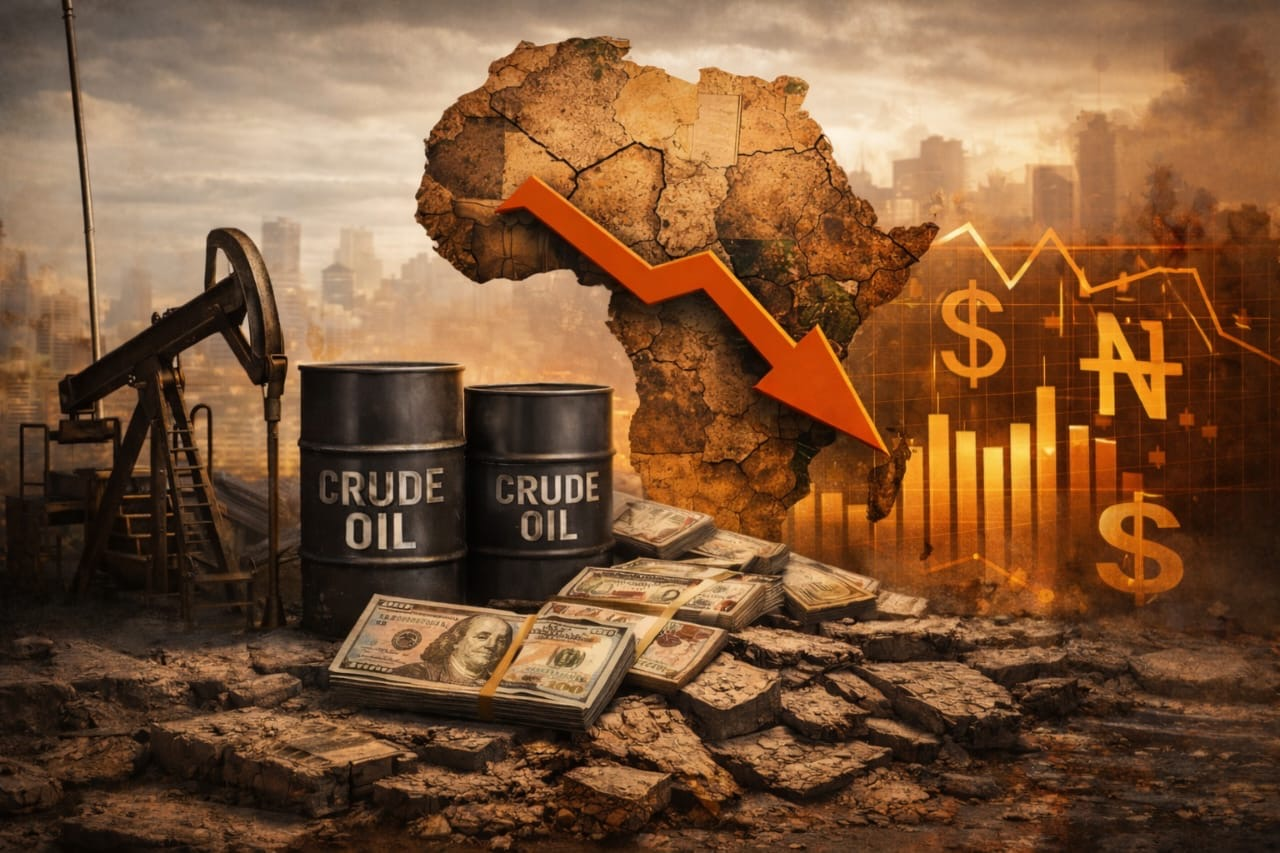
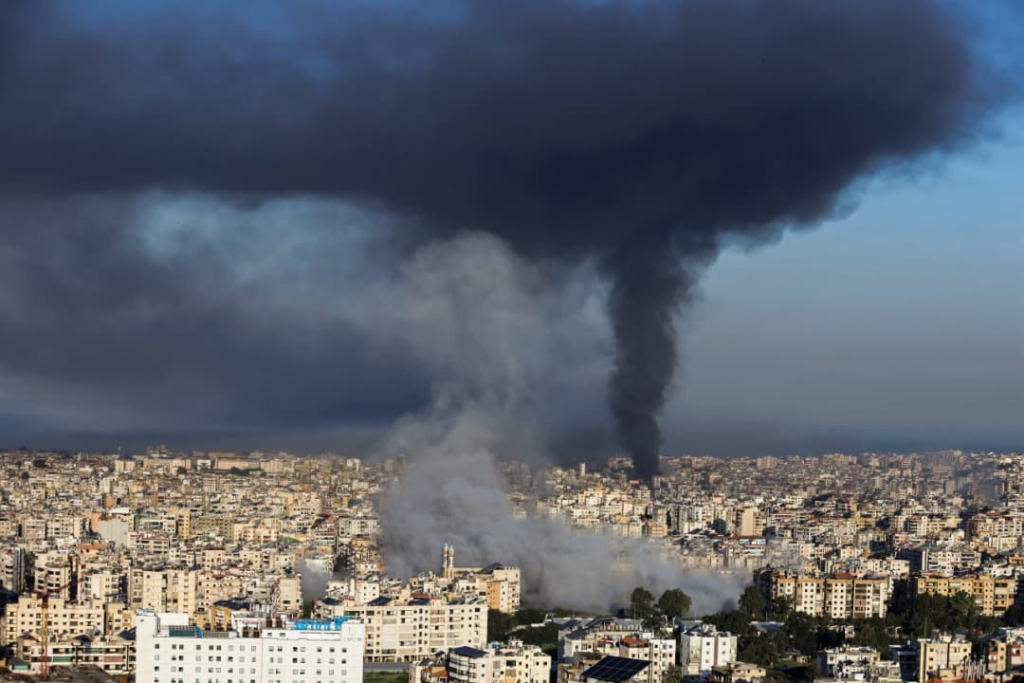
At first glance, a war in the Middle East may feel like a distant headline, something happening thousands of miles away, far removed from the daily concerns of people living on the African continent. But in today’s interconnected world, conflicts rarely stay local. When tensions rise in one region, the ripple effects often travel across oceans, quietly landing on the shores of other economies.
Right now, analysts are warning that Africa could feel the economic shockwaves from the ongoing Middle East conflict. For a continent already navigating inflation, debt pressures, and energy challenges, the situation could create fresh obstacles. And for the average young African trying to build a career, run a business, or simply afford basic living costs, these global tensions could quickly become a local problem.
Why Africa Is More Exposed Than Many Realise
Experts often describe Africa as “structurally exposed” to global shocks. In simple terms, this means the continent’s economic systems are particularly sensitive to events happening elsewhere.
One of the main reasons is energy dependence.
Many African countries import a large portion of their fuel. Even oil-producing nations often import refined petroleum products like petrol and diesel because local refining capacity is limited. When global oil prices spike, as they often do during wars or geopolitical tensions African economies feel the pressure almost immediately.
Higher oil prices do not just affect motorists. They push up the cost of transportation, electricity generation and manufacturing. Eventually, those costs filter into everyday goods, from food to clothing. A loaf of bread, a bus ride, or the price of running a small generator can suddenly become more expensive.
The Shipping Routes That Quietly Power African Trade
Another reason Africa could feel the impact lies in geography.
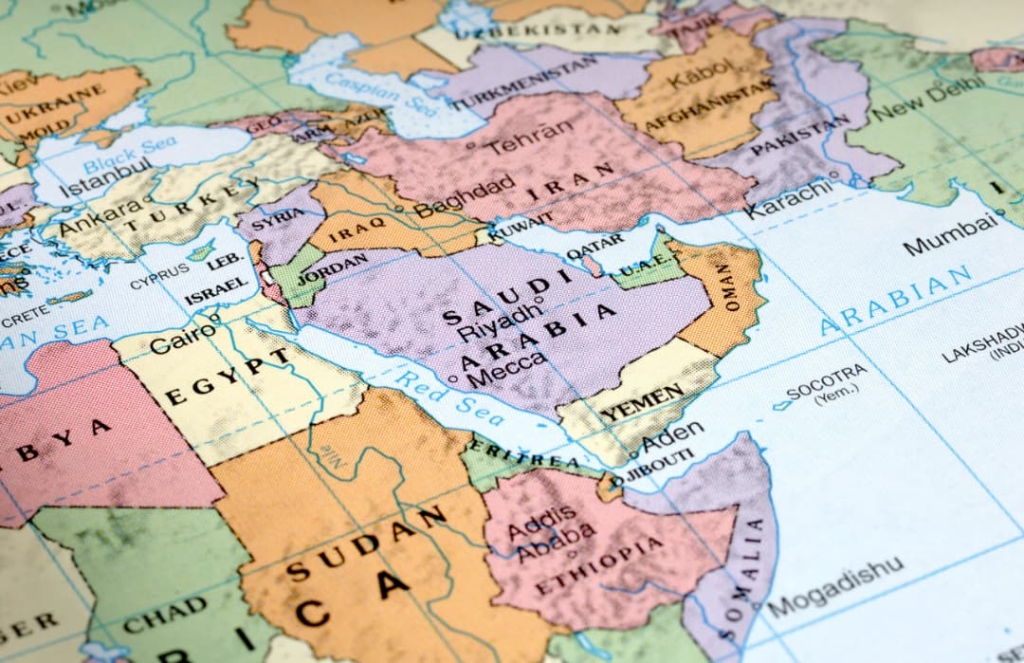
Some of the world’s most important shipping routes run through the Red Sea and nearby maritime corridors. These routes connect Asian and Middle Eastern markets to Europe and Africa. If instability or security risks disrupt these pathways, shipping companies may reroute vessels or raise insurance costs.
When that happens, trade slows down and shipping becomes more expensive.
And here’s the catch: Africa imports a huge range of goods, from electronics and machinery to fertilisers and wheat. Delays or rising transport costs can lead to shortages or higher prices in local markets.
For a young entrepreneur importing products for an online business, that might mean smaller profit margins. For families, it could mean paying more for essentials.
The Hidden Security Dimension
There is also a less obvious factor: security.
Several African countries host foreign military bases linked to global powers involved in Middle Eastern geopolitics. While these arrangements often aim to support counter-terrorism and regional stability, they can also place parts of the continent closer to the strategic tensions surrounding international conflicts.
In practical terms, that could mean increased security concerns along key maritime chokepoints or trade routes that pass near African waters.
The effects may not always be dramatic or immediate, but they add another layer of vulnerability to economies that are already managing multiple challenges.
A Continent of Risks and Opportuniies
Despite these risks, Africa is not simply a passive victim of global events. In fact, moments like this can also highlight opportunities for long-term transformation.
For example, rising oil prices could benefit African oil exporters such as Nigeria or Angola, at least in the short term. Higher global prices can increase government revenues if managed wisely.
But the bigger lesson may lie elsewhere: energy independence and economic diversification.
Africa holds enormous potential in renewable energy, from solar power in the Sahel to wind corridors in East and Southern Africa. Investing in local refining, renewable energy systems and regional trade networks could reduce the continent’s vulnerability to external shocks.
Imagine an Africa where electricity from solar farms powers factories, local refineries meet fuel demand, and regional trade routes move goods efficiently across borders. In that future, distant conflicts would have far less power over African wallets.
What This Means for Young Africans
For many young Africans, global geopolitics can feel abstract, something discussed in diplomatic circles or on international news channels.
But the reality is that these global shifts often shape everyday life: the price of transport, the cost of food, the availability of jobs, and the stability of local economies.
Understanding these connections is powerful. It allows young people to see beyond headlines and recognise how global systems influence their communities.
More importantly, it raises important questions about the future.
Should African nations invest more aggressively in renewable energy to reduce fuel imports?
How can the continent strengthen regional trade so it relies less on distant supply chains?
And what role can young innovators, entrepreneurs and policymakers play in building more resilient economies?
The answers to these questions will not come overnight. But they will shape the next chapter of Africa’s economic story.
And in many ways, that chapter will be written by the continent’s youth.







Leave a comment