

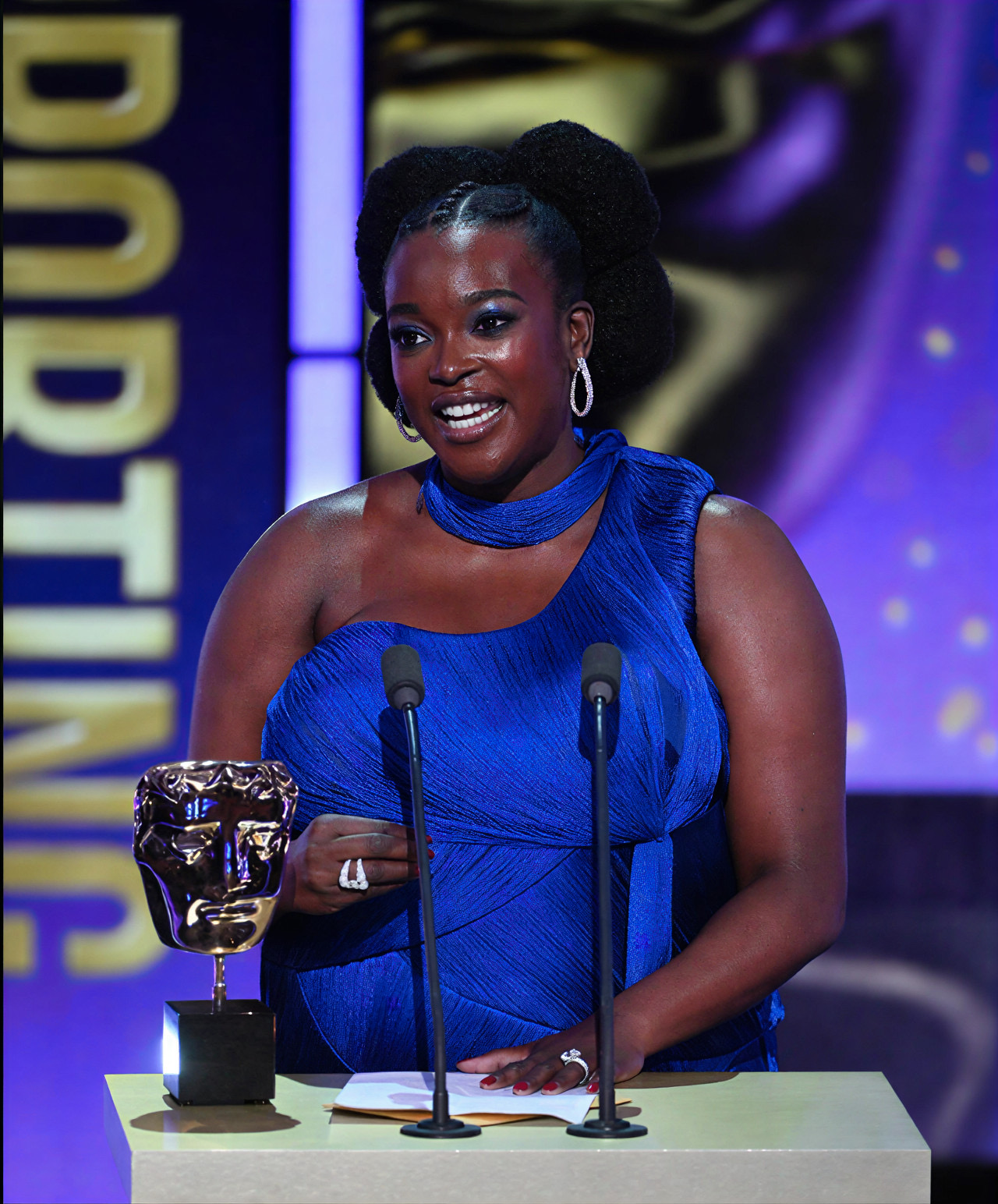
On 22 February 2026, the 79th edition of the British Academy Film Awards unfolded at London’s Royal Festival Hall, celebrating the best films released in 2025 and reaffirming the ceremony’s reputation as one of cinema’s most influential tastemakers.
Hosted for the first time by Alan Cumming, the evening was a cocktail of humour, reflection and celebration of a film industry that is increasingly international in voice and vision.
But beyond the glamour, BAFTAs 2026 told a deeper story: the continued reshaping of global cinema with African creatives and stories playing an increasingly visible role.
The night belonged largely to One Battle After Another, directed by Paul Thomas Anderson, which dominated the ceremony with six awards, including Best Film and Best Director.
Its haul also included Adapted Screenplay, Cinematography, Editing, and Supporting Actor honours, cementing it as the most awarded film of the night.
The scale of its recognition signalled BAFTA voters’ continued appreciation for ambitious, auteur-driven storytelling.
A Historic Moment for Black Storytelling
If one film captured the cultural heartbeat of the evening, it was Sinners, Ryan Coogler’s genre-bending drama.
The film secured three major awards, including Original Screenplay and Supporting Actress for Wunmi Mosaku.
The win marked a milestone: Sinners became the most decorated BAFTA film ever directed by a Black filmmaker, underlining the growing recognition of diverse creative voices within mainstream cinema.
Mosaku’s victory resonated strongly across African and diaspora audiences, seen as a powerful acknowledgement of heritage, identity and performance rooted in cultural authenticity.

Nigerian and African Connections Shine Through
For African viewers, BAFTAs 2026 delivered moments of genuine pride.
British-Nigerian actress Wunmi Mosaku’s win was one of the ceremony’s standout achievements, while My Father’s Shadow, by Akinola Davies Jr. and Wale Davies, earned Outstanding Debut by a British Writer, Director or Producer.
Reports highlighted how Nigerian-linked creatives “won big” during the ceremony, signalling the expanding footprint of African storytelling within global film culture.
This growing visibility reflects a wider shift: African narratives are no longer peripheral to global cinema conversations, they are shaping them.
Acting Wins That Surprised the Industry
The acting categories delivered a mix of expected triumphs and genuine surprises.
- Robert Aramayo won Leading Actor for I Swear, a result widely described as an upset victory.
- Jessie Buckley claimed Leading Actress for Hamnet, which also took Outstanding British Film.
- These wins highlighted BAFTA’s reputation for charting its own course, often diverging from Hollywood award trends.
Craft, Culture and the Power of Cinema as Collaboration
Elsewhere, Frankenstein swept several technical categories, including Costume Design, Production Design, and Make-up & Hair, showcasing BAFTA’s continued recognition of the artisans behind the screen.
International cinema also made history: the Indian film Boong became the first from its region to win the Children’s & Family Film category, a landmark moment celebrated across India.
Together, these wins reinforced a central theme of BAFTAs 2026; filmmaking is no longer defined by geography, but by collaboration across borders.
More Than an Award: A Ceremony Reflecting a Changing Industry
The BAFTAs honour films screened in British cinemas over the previous year, but their influence extends far beyond the UK, often shaping the global awards narrative ahead of the Oscars.
This year’s ceremony celebrated not only artistic excellence but also inclusion, mentorship and industry transformation, with BAFTA Fellowship, the academy’s highest honour awarded to studio executive Donna Langley for her contribution to film and talent development.







Leave a comment