

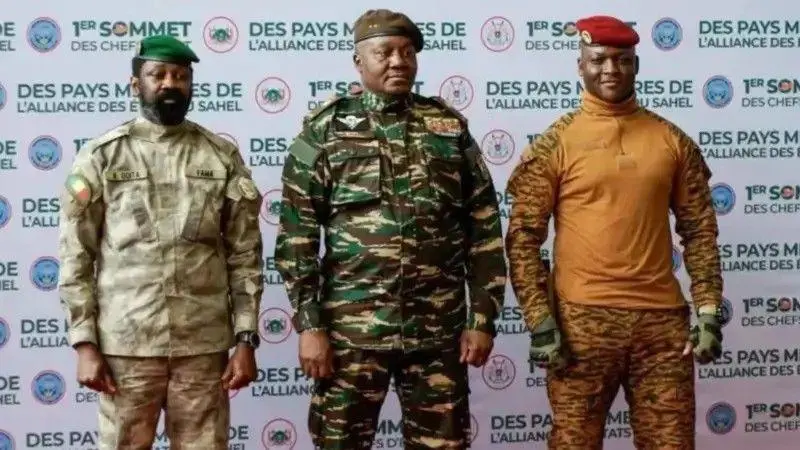
The International Criminal Court (ICC) has confirmed that Burkina Faso, Mali, and Niger have officially begun the process of withdrawing from the court. Niger deposited its formal withdrawal notification with the UN Secretary-General on the 18th of June 2026, with Burkina Faso and Mali following on the 24th of June. In accordance with the Rome Statute, the withdrawals will take effect one year from those dates, on the 18th to 24th of June 2027 respectively. Until then, the three countries remain fully bound by all obligations under the treaty, including the requirement to cooperate with the court in its investigations and prosecutions.
Why They Want To Leave
The three former ECOWAS members established the Alliance of Sahel States in 2024 and have since cut ties with former colonial power France and many other Western nations, turning instead to Russian mercenaries for military support. The ICC withdrawal is the latest in a pattern of institutional disengagement that also includes their exit from ECOWAS and the expulsion of French military forces from their territory.
The situation in Mali has been under investigation by the ICC since 2013. Withdrawal from the Rome Statute will not affect any matter already under consideration by the court, even when withdrawal takes effect. The situations in Burkina Faso and Niger are not currently publicly under investigation by the ICC.
What Rights Groups Think On This
Amnesty International’s Regional Director for West and Central Africa, Marceau Sivieude, described the move as “a headlong retreat from international law and justice obligations.” He said the decision threatened to deny thousands of victims the possibility of truth, justice, and reparations, noting that Amnesty International had documented crimes under international law committed against civilians during conflicts in each of the three countries over more than a decade.
Parliamentarians worldwide have called on the three countries to retract their decisions, urging ICC member states to intensify diplomatic efforts to persuade them to remain within the Rome Statute system. The leadership of the ICC’s Assembly of States Parties expressed regret over the move, calling on the three countries to remain committed to the Rome Statute and inviting them to a meaningful exchange on the matter. The notifications can be reversed, as Gambia and, most recently, Hungary have done.
The ICC has been accused by African nations of disproportionately targeting the continent since its founding. That critique has historical weight. But critics of the Sahel withdrawal argue that leaving the court entirely, rather than reforming it from within, does not serve accountability for the very populations the juntas claim to protect. The victims in Burkina Faso, Mali, and Niger will not be made safer by their governments’ departure from The Hague.
Africa Presents is a Pan-African digital magazine and monthly publication covering politics, business, economy, culture, tech, and the stories shaping Africa and its diaspora. Visit africapresents.com and follow @AfricaPresents for daily coverage and monthly themed magazine editions.







Leave a comment