

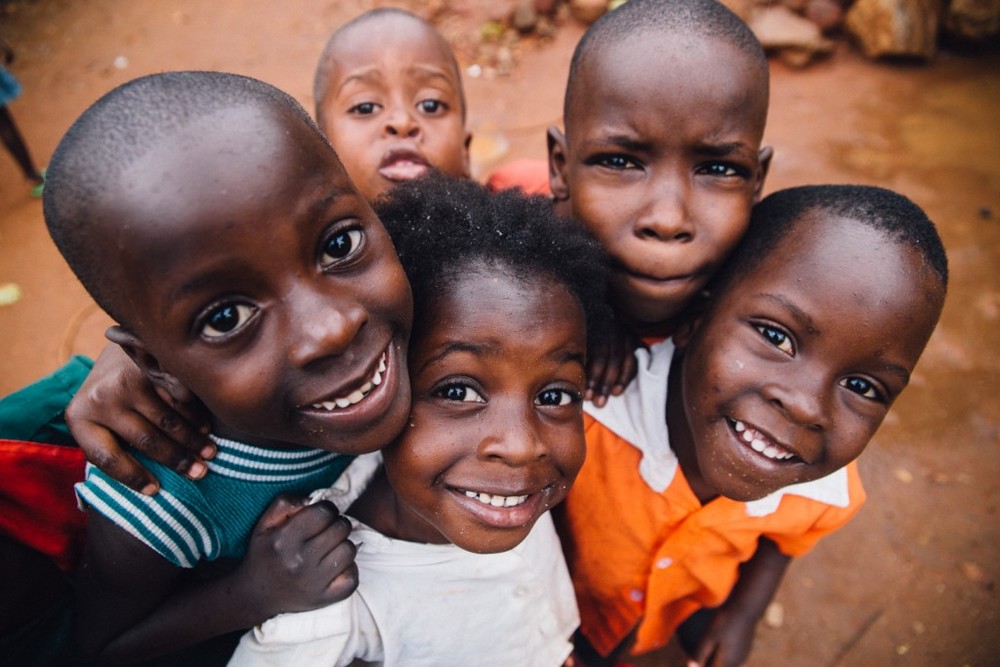
The Day of the African Child is observed across the continent on the 16th of June, under the 2026 theme “Ensuring Universal Access to Water, Sanitation and Hygiene for Every Child in Africa,” a call for renewed action to deliver equitable, climate-resilient WASH services and secure a healthier future for every child on the continent.
The Day was launched by the Assembly of Heads of State of the Organisation of African Unity in 1991, commemorated each year on 16th June in tribute to the 1976 student uprising in Soweto, South Africa, in which students protesting the poor quality of their education and demanding to be taught in their own language were killed by the apartheid regime. The violent police response to that protest, which resulted in hundreds of deaths, brought international condemnation and became a pivotal moment in the anti-apartheid struggle and the global fight for educational freedom.
Why This Year’s Theme Matters
The Day of the African Child matters because it ties remembrance to ongoing action. It commemorates a moment when children risked and lost their lives in the pursuit of education, and uses that memory to press for change today.
The connection between WASH access and child survival is not abstract. The 2026 theme, set by the African Committee of Experts on the Rights and Welfare of the Child, highlights the critical link between access to water, sanitation, and hygiene and the realisation of child rights, a focus made especially urgent in the context of malaria. According to the World Malaria Report 2025, children under five in the WHO African Region continue to bear the greatest burden of the disease, accounting for approximately 75 to 76 percent of malaria-related deaths.
Training sessions for participating children were held on 14 and 15 June 2026 to strengthen their understanding of the African Children’s Charter on the Rights and Welfare of the Child, equipping them to engage effectively in discussions on this year’s theme.
Fifty Years From Soweto, the Struggle Continues
Every year on June 16th, Africa pauses to remember the courage of thousands of schoolchildren who took to the streets of Soweto in 1976 to demand their right to quality education and a better future. Many paid the ultimate price. Yet their bravery ignited a movement that transformed the conversation around children’s rights across the continent.
Fifty years later, the legacy of Soweto remains as relevant as ever. Today, African children continue to dream, learn, and aspire, yet millions still face barriers that limit their ability to reach their full potential. While the struggle for education remains important, the conversation has expanded to include the broader rights that enable children to thrive: access to clean water, safe sanitation, healthcare, protection, nutrition, and opportunities to participate meaningfully in society.
The numbers underscore how much work remains. Approximately 32 million primary school-aged children and 28 million lower secondary school-aged children were out of school in 2023 across the continent. In South Africa, June 16 is also recognised as Youth Day, a public holiday commemorating the same uprising that gave birth to the continental observance.
A Day That Demands Action, Not Just Remembrance
The Day of the African Child matters because it ties remembrance to ongoing action. It commemorates a moment when children risked, and lost, their lives in the pursuit of education, and uses that memory to press for change today.
The children of Soweto marched for the right to learn in their own language, in dignity, and in safety. Fifty years on, the demand has not changed in spirit, even as its specific form has evolved to include clean water flowing from a tap, a working toilet at school, and the basic hygiene infrastructure that determines whether a child stays healthy enough to attend class at all. Africa’s leaders, institutions, and citizens have one obligation today that has not changed since 1976: to ensure that no child on this continent pays with their life, their health, or their future for rights that should never have been in question.
Africa Presents is a Pan-African digital magazine and monthly publication covering politics, business, economy, culture, tech, and the stories shaping Africa and its diaspora. Visit africapresents.com and follow @AfricaPresents for daily coverage and monthly themed magazine editions.






Leave a comment