

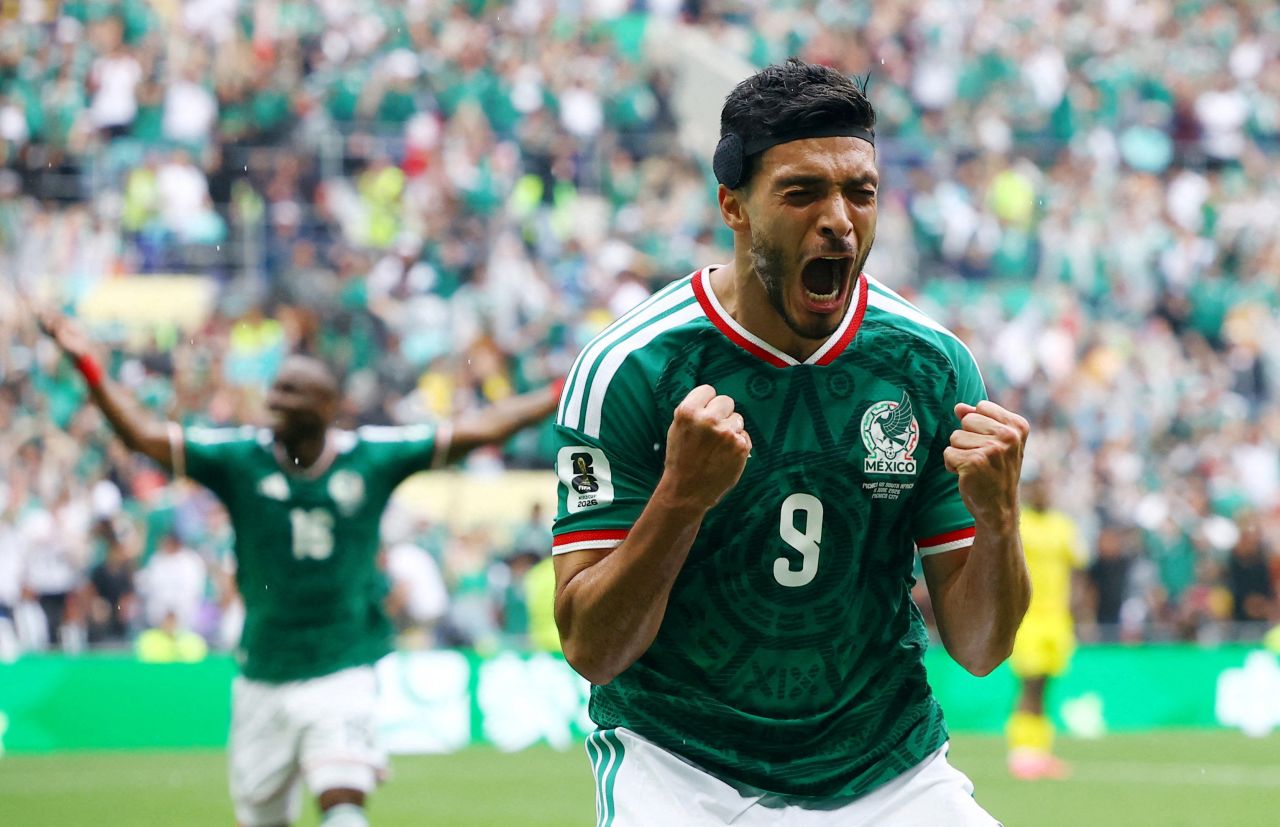
Mexico defeated South Africa 2-0 in the opening match of the 2026 FIFA World Cup at Mexico City Stadium on Thursday, with goals from Julián Quiñones and Raúl Jiménez settling a fiercely contested Group A encounter that also produced three red cards and a performance that will give Bafana Bafana serious cause for concern ahead of their remaining group stage fixtures.
It was a result that landed with complexity across the African continent. South Africa were the only African nation on the pitch, but for millions of fans watching across the continent, the allegiances were not straightforward.
How the Game Unfolded
Quiñones broke the deadlock in the ninth minute, finishing with composure to give the co-hosts an early lead that settled the nerves of a sell-out crowd at the Estadio Azteca. A former Club America winger and Colombian dual national who made his Mexico debut in 2023 to considerable controversy, Quiñones silenced doubters in the most emphatic way possible, scoring the first goal of the 2026 World Cup.
Jiménez doubled the lead in the 67th minute, assisted by Alvarado, putting the result beyond doubt. South Africa pressed for a response but could not find a way through a well-organised Mexican defence.
The second half descended into chaos. Three red cards were issued: two for South Africa and one for Mexico, making it only the second time in World Cup history that three players were sent off in a single match, and the first time it happened in an opening game.
South Africa’s Teboho Mokoena, who had already attracted controversy this tournament cycle for his earlier suspension breach in qualifying, was among those involved in the disciplinary drama.
Why Many Africans Were Not Supporting South Africa
The result exposed a fracture in continental solidarity that had been building for weeks before the tournament began. For many African fans, South Africa’s path to the World Cup had been overshadowed by an accumulation of events that made wholehearted support difficult to extend.
South Africa’s handling of the migration crisis at home cast a long shadow. President Ramaphosa’s announcement of tougher immigration enforcement measures, the anti-foreigner protests, and reports of xenophobic violence against African nationals in South African cities had all landed painfully across a continent that views the treatment of its people by fellow African states as a matter of shared concern. For fans in Nigeria, Kenya, Ghana, and Senegal, it was difficult to extend unconditional support to a nation whose domestic policies had, in recent months, made headlines for the wrong reasons in the very communities being asked to cheer.
What Comes Next
For Mexico, the opening win has set the tone perfectly on home soil. El Tri face South Korea next, before completing their group stage campaign against Czechia on 25 June at the Mexico City Stadium. Three points from the opener, a sell-out home crowd, and momentum behind them: Javier Aguirre’s side are in the ideal position to reach the knockout rounds, though the red card suspension of César Montes will need to be managed carefully in defence.
For South Africa, the road ahead is considerably steeper. Bafana Bafana face Czechia on the 18th of June before meeting South Korea on the 24th of June in their final group stage fixture. With three red card suspensions to absorb and a 2-0 defeat to process, Bafana Bafana’s path out of the group has become considerably more complicated.
Africa Presents is a Pan-African digital magazine and monthly publication covering politics, business, economy, culture, tech, and the stories shaping Africa and its diaspora. Visit africapresents.com and follow @AfricaPresents for daily coverage and monthly themed magazine editions.





Leave a comment